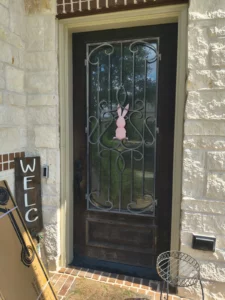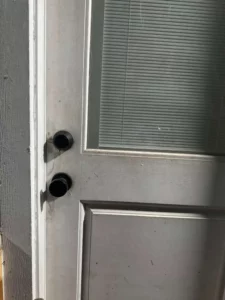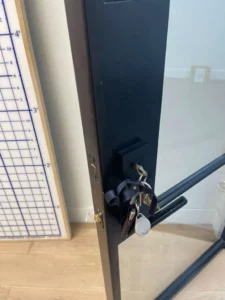
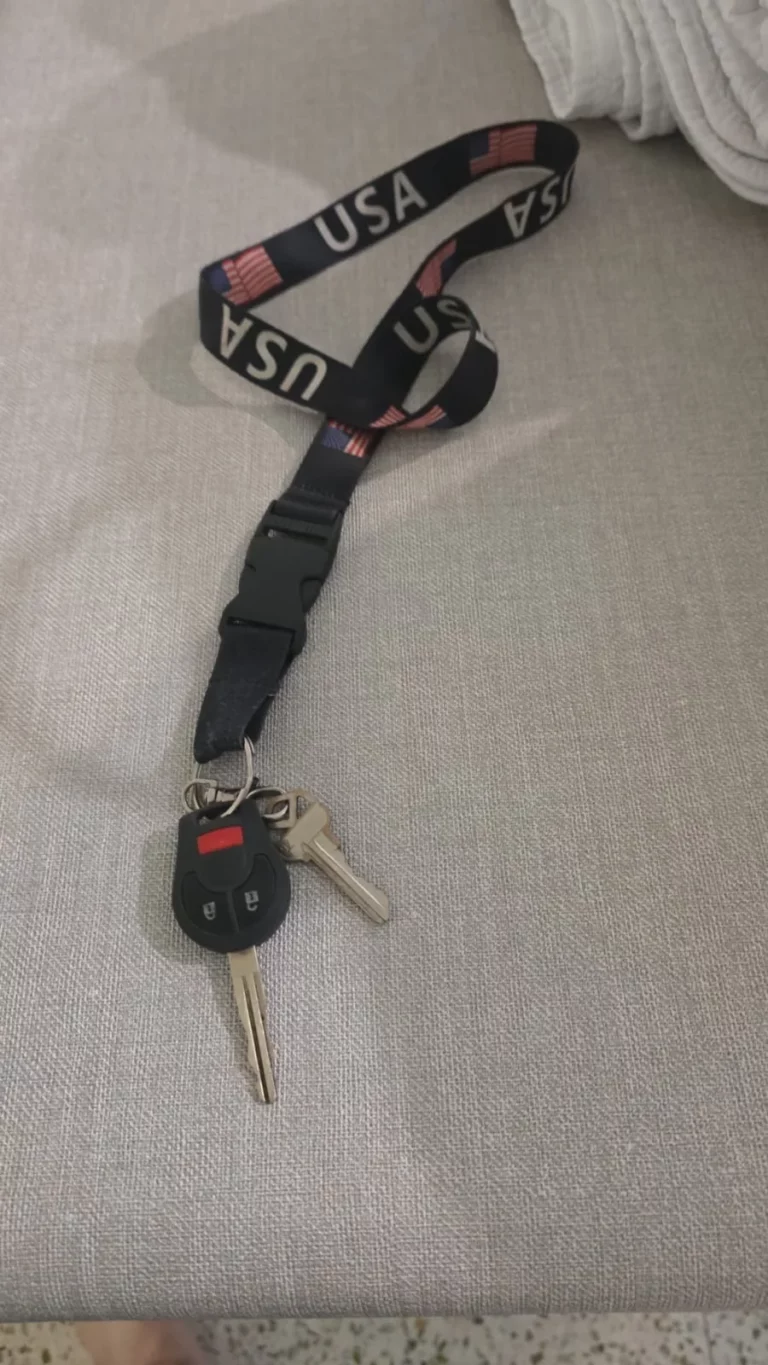
A renter can request an apartment lock change, but should check the lease and contact the landlord or property manager first. In Texas, tenants generally cannot alter a security device without permission. For a lost key, former roommate, or access concern, ask whether rekeying is approved and get the request in writing before arranging locksmith work.
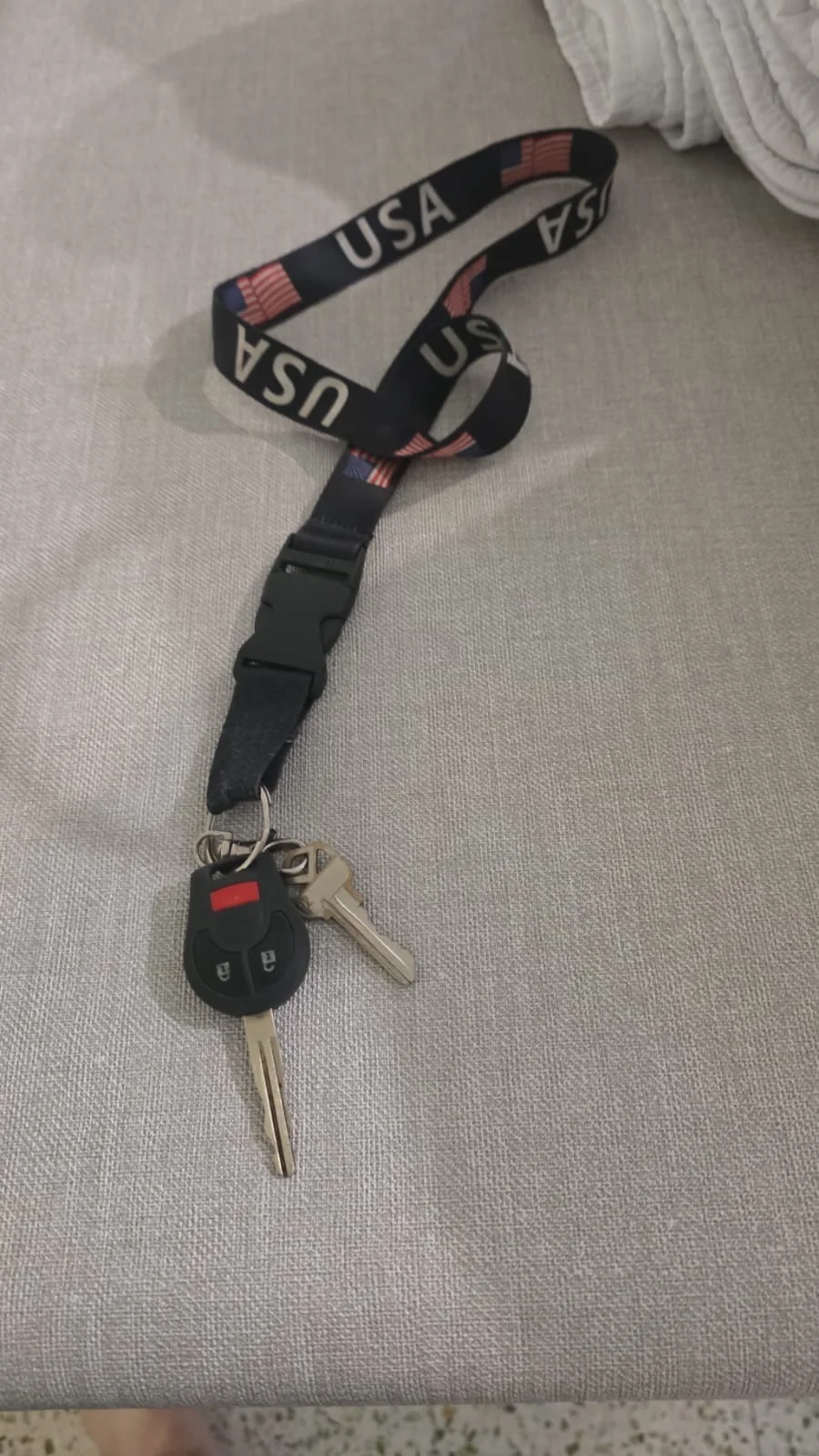
Start with the lease and the leasing office
It can feel urgent to change a lock after losing a key or when a roommate leaves. Still, the apartment door, lock hardware, and building access system may belong to the property owner. Your lease may say who can approve work, who pays, whether management needs a key, and what type of lock can go on the door.
Texas Property Code Chapter 92 says a landlord must rekey keyed, card, or combination security devices by the seventh day after a tenant moves in. The same law generally bars a tenant from changing a security device without the landlord’s permission. It also says an extra rekey or change requested by a tenant is generally at the tenant’s expense.
That doesn’t settle every apartment situation. Your lease and property rules can set the approval process and key-return rules. Ask the leasing office these questions before work begins.
- Has the unit already been rekeyed since my move-in date?
- Do I need written approval or a work order?
- May I choose the locksmith, or does the property use a vendor?
- Is rekeying enough, or does management require a full lock replacement?
- Does the office need a copy of a new key, card, or door code?
- Who is responsible for payment in my situation?
Save the reply with your lease papers. A clear record can prevent confusion over keys, billing, or access later.
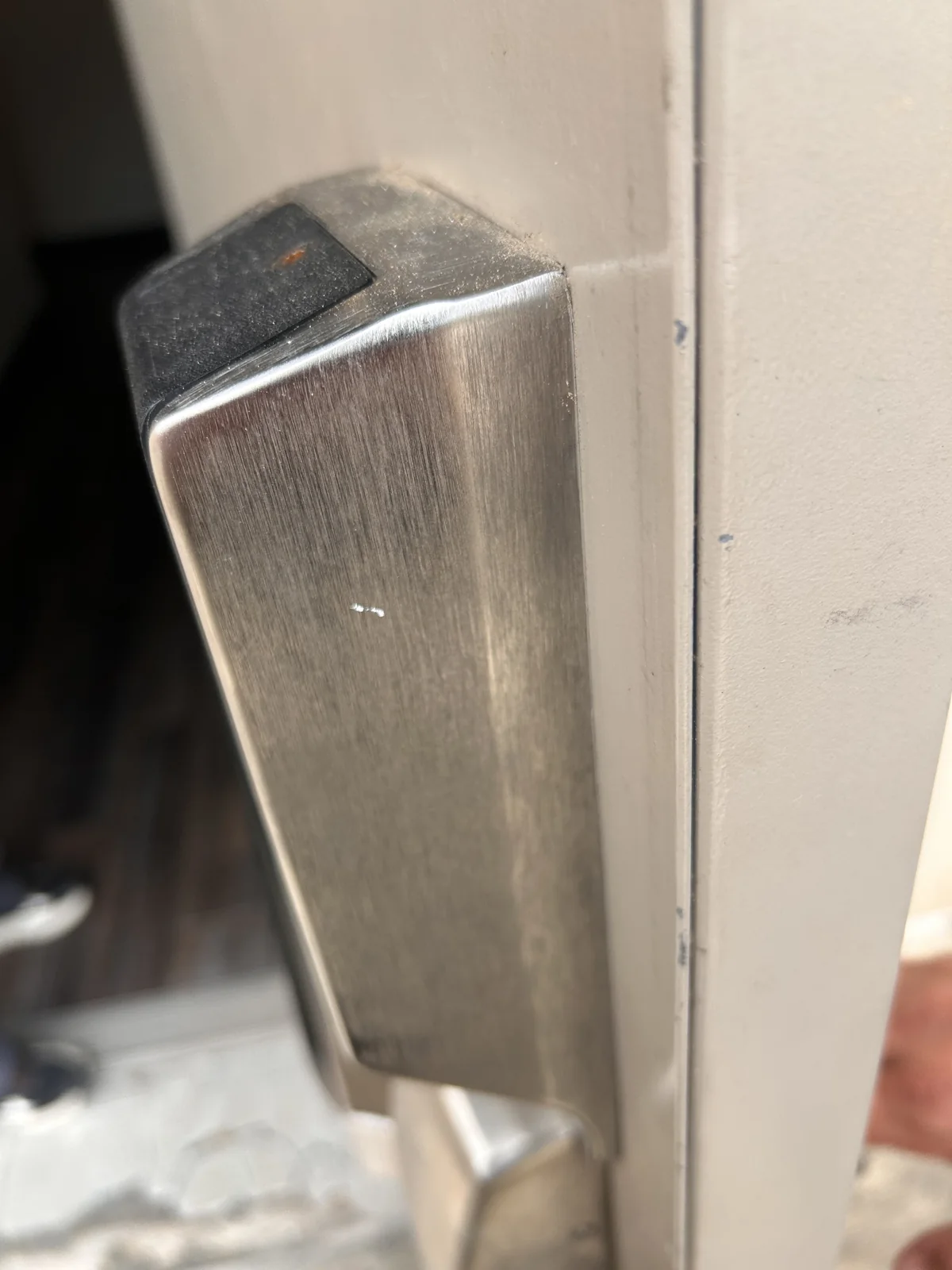
Choose rekeying or replacement based on the actual problem
Rekeying changes the inside parts of an existing lock so the old key no longer works. The lock can stay on the door when it is in working condition and approved for reuse. A new key is made for the changed lock.
A full apartment lock change replaces the hardware. It may make sense when the lock is damaged, the approved hardware needs an upgrade, or the property manager directs replacement. Replacement needs more coordination because the new lock must fit the door and follow the building’s key and access rules.
Lost key or key that may be in the wrong hands
Tell the leasing office what happened. Ask for written permission to rekey if the property wants you to arrange the service. Don’t assume cutting another key solves a safety concern. A duplicate leaves the lost key able to open the current lock.
Roommate moved out
Check the lease before treating a former roommate as no longer authorized. Their name may still be on the lease, and management may have a process for removing a tenant. Once the office confirms the change, ask how it wants the lock and keys handled.
Lock is sticking, loose, or damaged
Report the condition instead of trying to force the key or take the lock apart. A damaged door, strike plate, or lock may need repair rather than a new key. Take a photo and note when the problem occurs. That gives management useful details when it decides the next step.
Put security concerns in writing
Phone calls are useful for urgent questions, but written notice creates a dated record. Texas Tenant Advisor’s locks and security information recommends giving written notice for lock repair or rekey requests and keeping a copy. Use the property’s portal, email, or another method allowed by the lease.
Keep the message short and factual. Include your name, unit number, a way to reach you, the problem, and the request. If a key was lost, say whether it had information that could identify your unit. If a roommate moved, state that you are asking for the property’s approval and instructions.
A recent break-in, attempted break-in, or violent crime at the complex can affect the timing of a landlord’s duty after notice under Texas law. Tell management promptly if any of those events happened. If someone is trapped, there is a fire, or there is smoke, call 911 first.
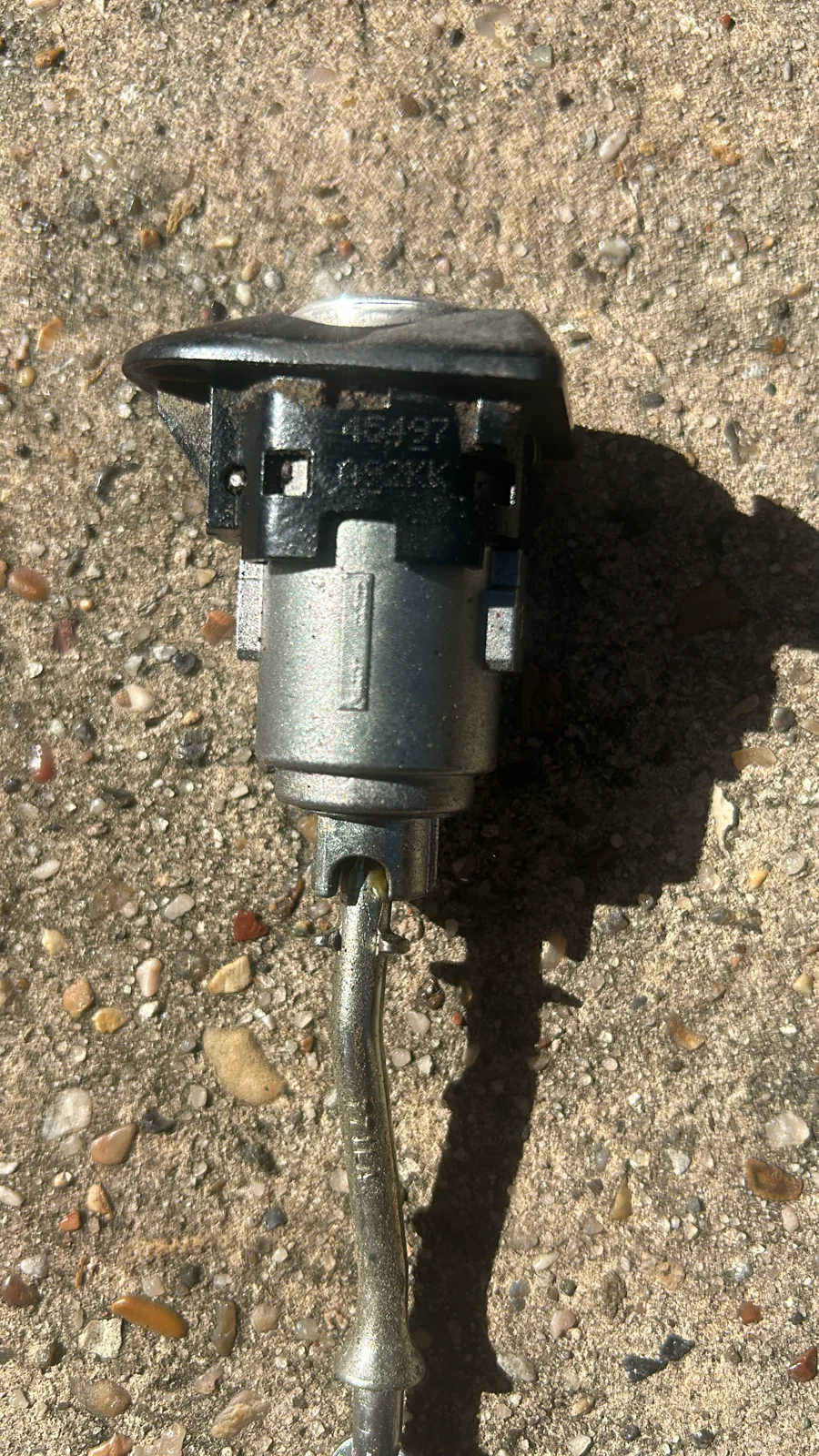
Get ready before you call for apartment locksmith service
Once management authorizes work or directs you to arrange it, gather the details a locksmith may need. This helps avoid a visit that cannot move forward because approval or proof of occupancy is missing.
- Have a photo ID ready.
- Bring your lease, a current utility record, or another occupancy document if available.
- Save the email, text, or work order that shows management approval.
- Write down the unit number, building entry instructions, and any gate or call-box limits.
- Ask management how it wants new keys, cards, or codes delivered after the work is done.
- Tell the locksmith whether you need help with the apartment door, mailbox, storage area, or a separate building credential.
Identity checks protect tenants and property owners. Texas regulates locksmiths through its private security program. The Texas Department of Public Safety Private Security page provides licensing and complaint resources if you want to check a provider before booking.
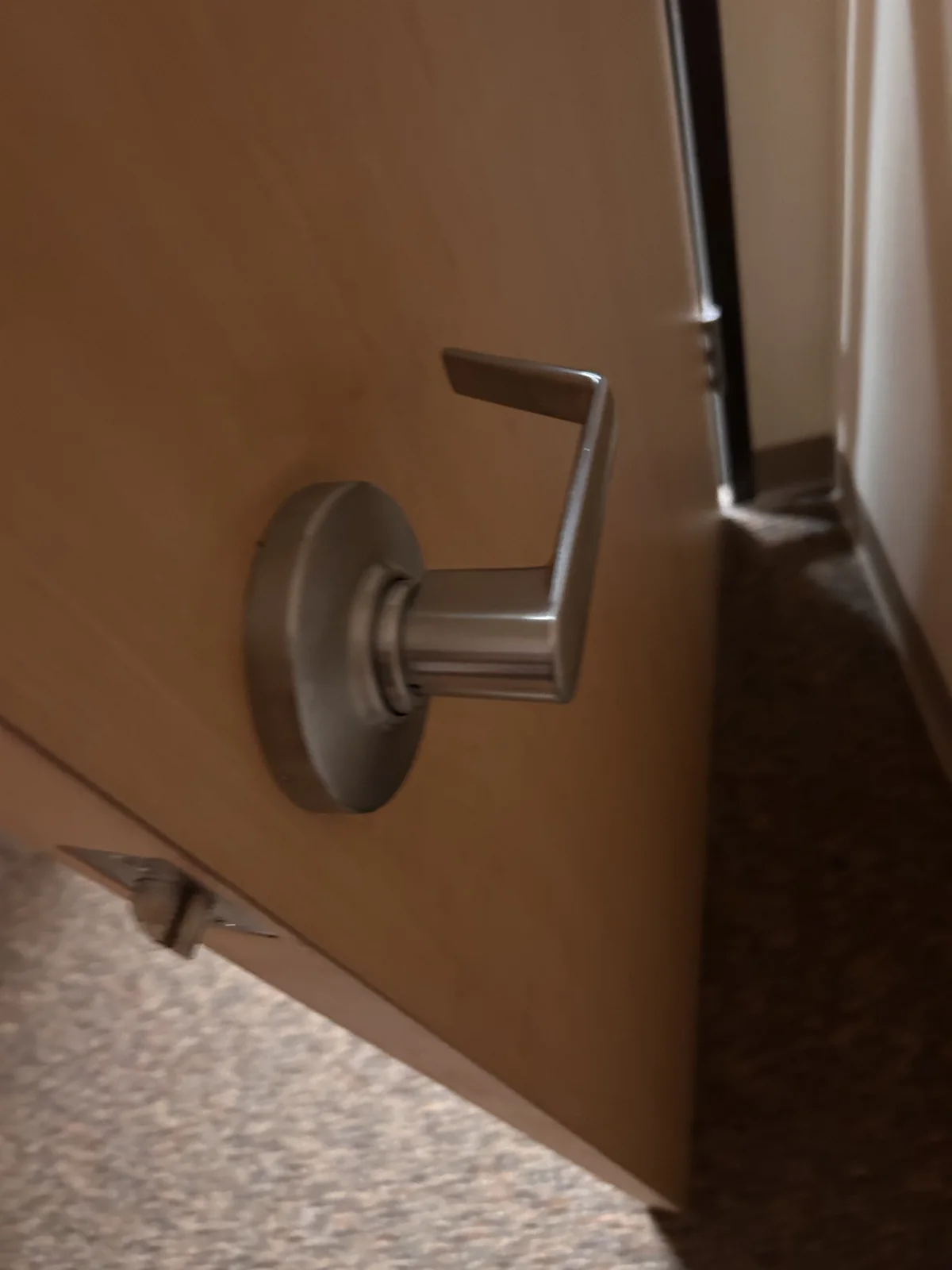
Know what to expect during an apartment lockout
Being locked out doesn’t remove the need to verify who is allowed into the unit. Call the leasing office if it is open, especially if the property controls keys or electronic entry. If the office is closed, have your ID and proof that you live there ready for the locksmith.
Don’t ask a neighbor to approve entry for you. A neighbor may know you, yet they usually cannot authorize work on the apartment. If your wallet and ID are inside, explain that before service begins. The provider and property manager can decide what proof is needed.
After you regain entry, decide whether the old key is simply inside the apartment or truly lost. If it is lost, return to the approval process for rekeying. If you find a broken key in the lock, avoid pushing it farther in with another key or tool. Report it and ask for help.
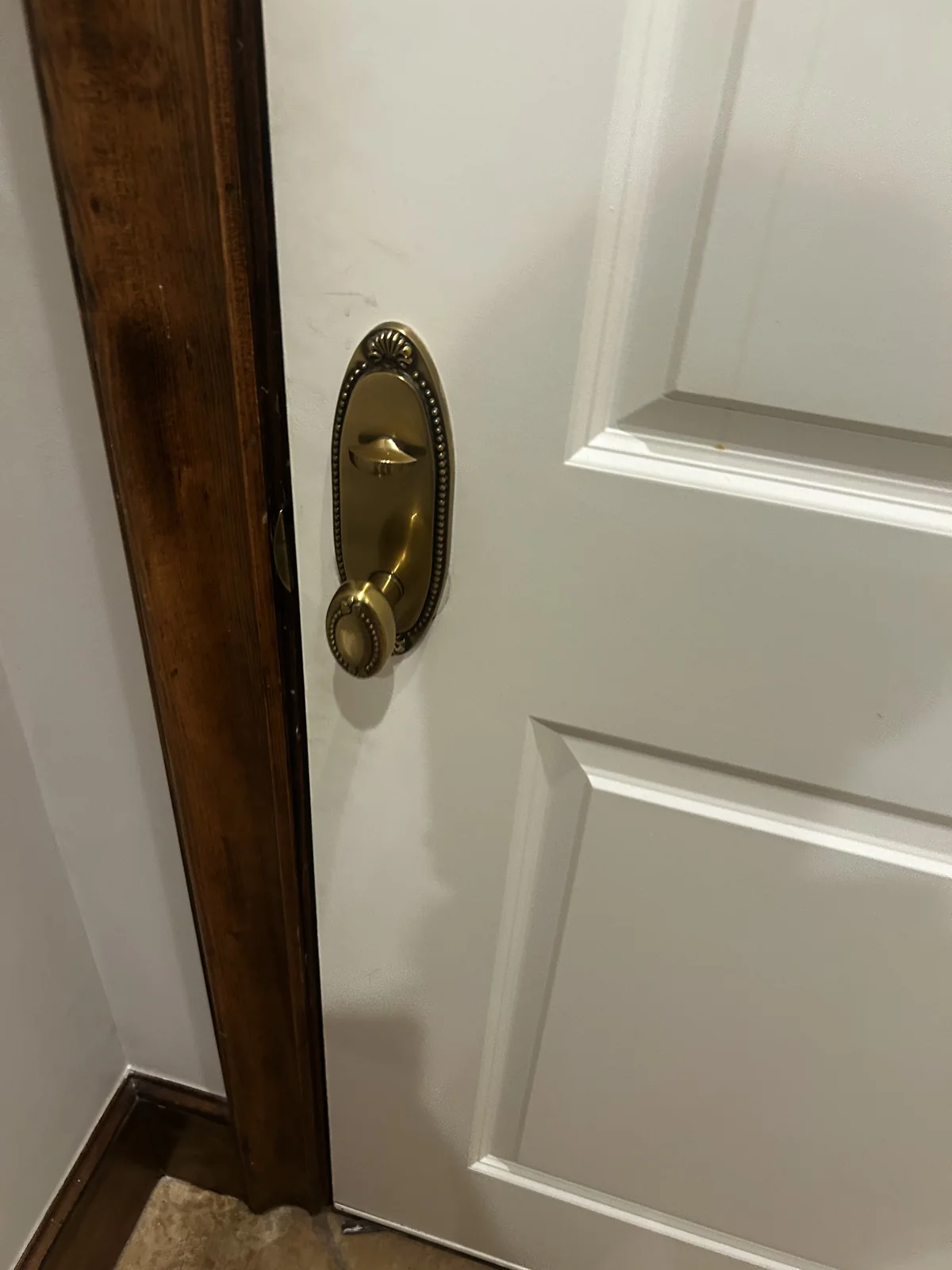
Ask before adding a smart lock or changing a mailbox lock
Smart locks can add a keypad, app control, or temporary codes, but apartment approval still comes first. A smart lock may change the door’s hardware, require batteries, or affect the key plan used by management. Ask whether the property permits the model, needs an emergency key, or has rules for removing the device when you move out.
A mailbox lock is a separate issue from your apartment door. Mailboxes may be controlled by the property, a postal service arrangement, or another party. Check with the leasing office before replacing it. Bring any mailbox number or ownership details the office requests.
For approved work in Cypress, Quality Lock & Key’s locksmith for apartments service lists apartment lockouts, rekeying, smart lock installation, mailbox lock help, broken-key help, and security upgrades. Its apartment service page says technicians verify ID and may confirm occupancy with the leasing office when needed.
Keep a simple record after the work is finished
Before the locksmith leaves, test each new key in the door while it is open. If the property uses a card, fob, or code, confirm that the right credential works at the entrance you use. Keep the paid receipt and written approval with your lease documents.
Send management the requested key or code details through its chosen method. Don’t leave a spare key under a mat, in a planter, or in a shared hallway. If you need a backup, ask the property manager whether it can hold one or what option the lease allows.
Questions renters often ask
Can my landlord charge me for a rekey after I lose a key?
Texas law says an additional tenant-requested rekey or change is generally at the tenant’s expense. Your lease may spell out the property’s fees or process. Ask for the expected charge and who will arrange the work before authorizing a visit.
What if my lease says nothing about changing locks?
Contact the leasing office anyway. State law generally requires landlord permission before a tenant alters a security device. Ask for the answer in writing, even if the office gives an initial answer by phone.
Do I need to give management a new key after approved work?
The answer depends on the lease and property policy. Ask before the work starts whether management needs a physical key, a code, or notice that a credential changed. Keep written proof that you followed that instruction.
Can I replace my apartment door lock when I move out?
Don’t remove or replace hardware at move-out unless management tells you to do so. Ask what condition the lock and keys must be in for the final inspection, and return every item the property lists.
If you have property approval and need apartment lockout help, rekeying, mailbox lock service, or an approved lock update in Cypress, call Quality Lock & Key at (281) 871-1658. Have your ID, unit details, and leasing-office instructions ready so the next step can be confirmed.