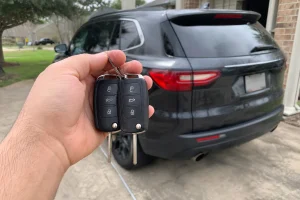
New home lock rekeying gives you control over who can enter after a move. Start by listing every lock, key, remote, code, and app that opens part of the property. Then decide what needs rekeying, replacement, or a reset. Don’t forget the garage, shed, gate, and mailbox. A clear list helps you schedule the right work and track keys from day one.

Why rekey soon after moving in
The keys handed over at closing may not be the only keys that work. A previous owner may have shared copies with relatives, neighbors, contractors, pet sitters, or tenants. That can be true even in a newly built house, where several people may have needed access during construction.
The ALOA Security Professionals Association says people who have recently bought a home, including a new build, should change their locks. Rekeying is often the practical choice when the existing lock hardware is in good condition and can accept a new key setup.
Rekeying changes the working key for a lock. It does not repair a worn lock or turn a damaged deadbolt into a reliable one. If a lock sticks, has loose parts, shows damage, or doesn’t work consistently, ask for it to be checked before choosing rekeying.
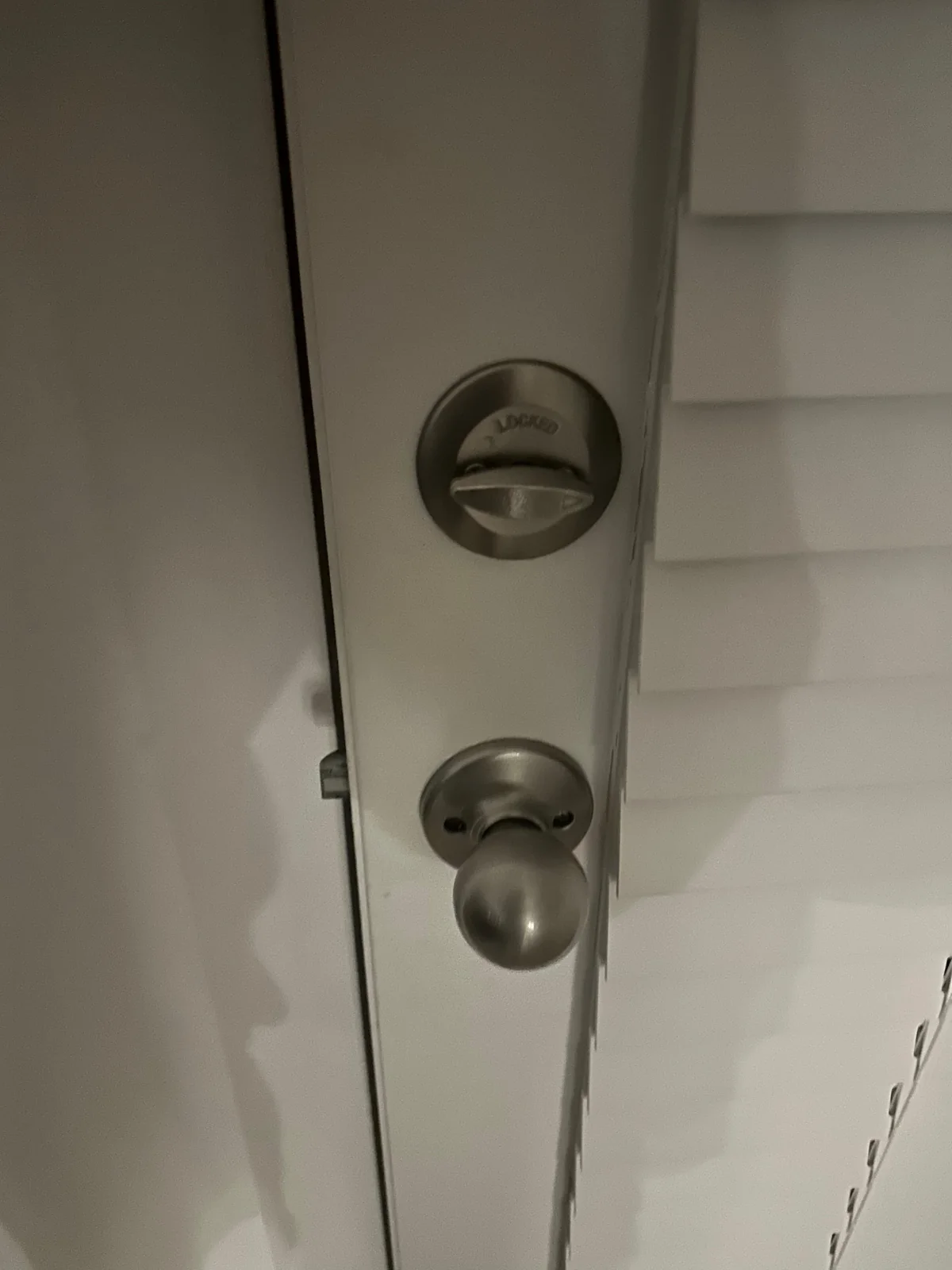
Make a full access list before you call
Walk the property in daylight with your phone or a notepad. Include any entry that can lead into the home, garage, yard, or stored belongings. Take a photo of each lock and note where it is. You don’t need to record key numbers in a shared note.
Check every keyed entry
- Front, back, and side doors
- Door from the garage into the house
- Garage service door and any keyed garage-door release
- Patio, sliding, or French doors with keyed locks
- Gate locks, fence access, sheds, and storage buildings
- Outdoor utility closets or workshop doors
- Mailbox locks, if you own and are allowed to service them
ALOA specifically calls out garage and storage-building locks for prompt attention after a purchase. Small buildings often hold tools, ladders, and other items that can create an access risk if left unsecured.
Gather the handoff items
Put all keys, remotes, and instructions in one labeled envelope or box. The National Association of Realtors new-owner checklist includes extra house keys, other property keys, garage openers, alarm codes, and smart-device access among the items to collect.
Ask the seller or builder for anything still missing. Keep the items you receive until you have reset or replaced access. A working remote or code can matter as much as a metal key.
Choose between rekeying and replacing each lock
You don’t have to make the same choice for every door. Look at the lock’s condition, how you use that door, and whether you want to keep the current hardware style.
| Choose rekeying when | Consider replacement when |
|---|---|
| The lock works smoothly and you want old keys to stop working. | The lock is damaged, loose, badly worn, or works unreliably. |
| You want fewer keys by having compatible locks set to one household key. | You want a different lock type or a feature the current hardware doesn’t offer. |
| You want to keep the existing hardware if it can be rekeyed. | The lock cannot be rekeyed or its condition makes replacement a better fit. |
Ask the locksmith to inspect the locks before work begins. Compatibility and wear vary by the hardware already on your doors. Don’t buy new hardware just because it looks similar to your current setup. Confirm that it fits the door and works with your existing door preparation.
Decide whether one key makes sense
Key-alike rekeying can set compatible locks to work with a single key. It can simplify daily use when the front door, back door, and garage entry have separate keys now. Still, some homes need more than one key because the hardware is different or because the owner wants separate access for a gate or storage area.
Write down your preference before the appointment. A simple plan could be one key for home entry doors and a separate key for a detached shed. The right setup depends on your locks and who needs access.

Reset access that doesn’t use a metal key
New home lock rekeying is only part of move-in access control. Work through the electronic items after you take possession, using each product’s manual or the installer’s directions.
- Clear old garage remote controls and program only the remotes you plan to keep.
- Change keypad codes for garage doors, alarm panels, door locks, gates, and key boxes.
- Remove former users from smart-lock, camera, doorbell, alarm, and garage-door apps.
- Set up your own owner account and recovery email for each smart device.
- Test each door and remote while someone is home, so you know which access method works.
Keep new codes out of labels attached to remotes or keys. If you use a smart lock, confirm who has app access and whether physical keys still work. Smart-lock setup may depend on the lock model, door condition, and your home’s connection.

Plan spare keys before copies are made
More copies can be useful, but only if you know where each one goes. Decide who truly needs a key now. Most households can begin with keys for the adults who live there, then add copies for a trusted person or a regular caregiver if needed.
Use a simple key record
- Give each copy a private label, such as Household A or Backup 1.
- Record the person holding it and the date you gave it out.
- Keep one backup in a secure place you can reach without leaving it exposed outside.
- Review the list when a roommate, employee, caregiver, or contractor no longer needs access.
Skip hiding a spare key in a predictable outdoor spot. If you need additional copies after the lock work, Residential key duplication is available through Quality Lock & Key.
Check door security while the locks are being reviewed
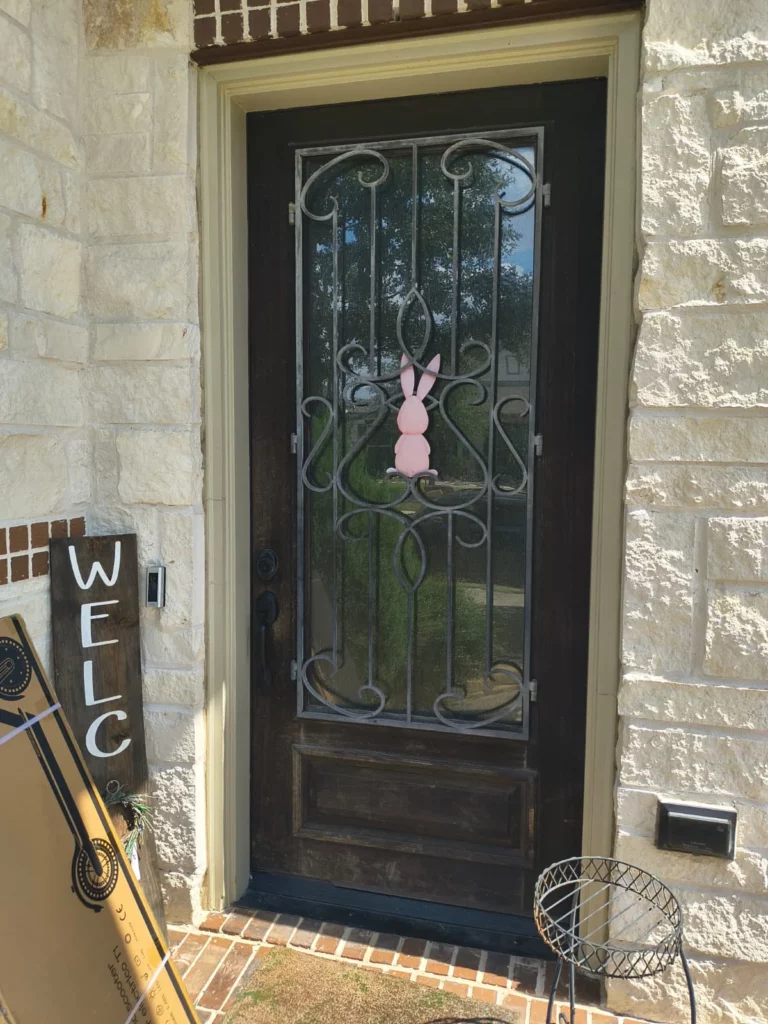
A working lock needs a door that closes and latches correctly. Test each exterior door before your appointment. Close it normally, then lock and unlock it from both sides where that applies. Note any door that rubs, needs to be lifted, leaves a large gap, or has a loose strike plate. The strike plate is the metal piece on the frame that receives the latch or deadbolt.
Bring up these items during the visit. The fix may be a lock adjustment, door repair, hardware replacement, or work by another home professional. A locksmith can assess the locks, but the condition of the door and frame can affect the final plan.
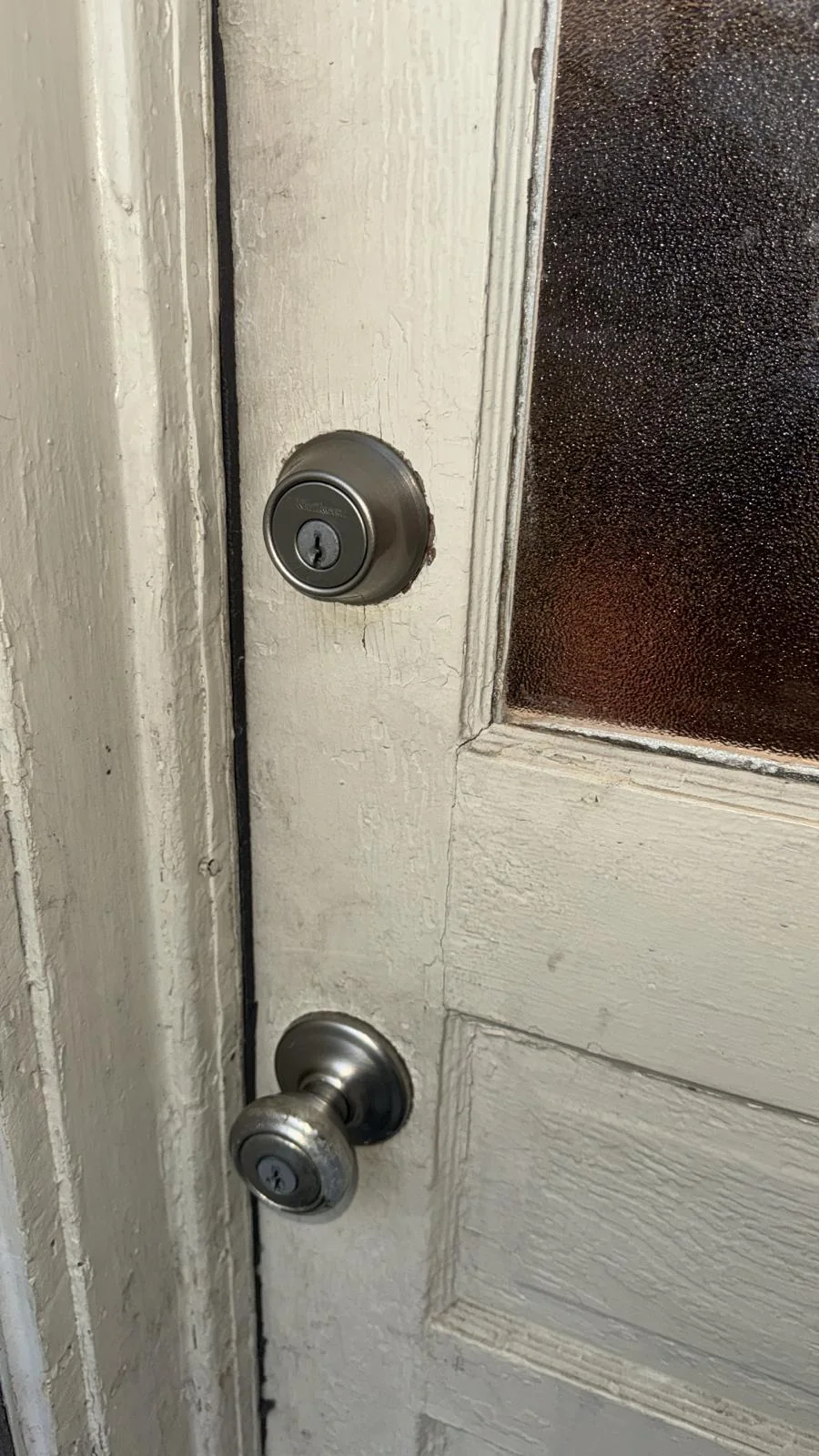
Questions to ask before scheduling
Have your list ready, then ask focused questions. You’ll get a clearer scope and avoid surprises on the day of service.
- Which locks on my list can be rekeyed?
- Can compatible locks be set to one key?
- Which doors have worn or damaged hardware that should be replaced instead?
- Can you make the number of spare keys I need?
- Can you help set up a smart lock if I already have a compatible model?
- What should I have ready when the technician arrives?
Texas regulates locksmiths within its private security profession. The Texas Department of Public Safety oversees background checks, complaints, and discipline for this field. You can use its information when checking a provider before inviting someone to work on your home.
A move-in day checklist you can use
- Collect house keys, garage remotes, gate keys, alarm details, and smart-device access.
- List exterior doors, garage doors, sheds, gates, storage areas, and mailbox access.
- Mark locks that stick, feel loose, or don’t work every time.
- Choose whether you want one household key where hardware allows it.
- Decide who needs a key and how many copies to request.
- Reset remotes, codes, app users, and account recovery details.
- Test every entry after the work is complete and update your private key record.
Questions Cypress homeowners often ask
Can I rekey a lock if I don’t have the old key?
A locksmith can assess the lock and explain the available options. Whether rekeying is possible without the old key depends on the lock and its condition. Have proof that you own or are authorized to access the property available for the visit.
Should I rekey interior doors too?
That depends on how the home is used. Interior locks may matter for a home office, a private room, or a door between living space and storage. Include them on your inventory if they control access to items or areas you want to manage.
What about a community mailbox?
Mailbox rules can differ by the Postal Service, an HOA, or a property manager. Check who owns and services the box before arranging lock work. Don’t assume a house key or a private locksmith can change every mailbox lock.
When should I give keys to contractors?
If work is still underway, consider being present or using a temporary access method you can remove when the work ends. Update your key record whenever someone receives a copy, and collect keys or remove access when the job is done.
For help with your Cypress move-in plan, call Quality Lock & Key at (281) 871-1658 for residential lock rekeying. Share your access list, the number of keys you need, and any locks that don’t work properly so the service can be planned for your home.