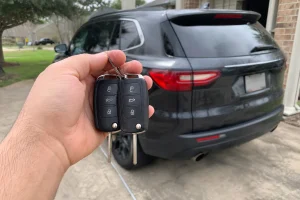

Most families need spare house keys for each responsible person who comes and goes, plus one copy with a trusted backup person. Keep an original in a secure place inside the home. Don’t make extra copies without a clear person or purpose attached to each one. A simple list helps prevent lockouts without losing track of who can enter.

Start with people who need regular access
The right number of keys depends on your household, not a fixed rule. Start by naming every person who needs routine access. That may include adults in the home, a teen who reliably gets home before others, or a family member who stays at the house often.
Give each key a job. If you can’t name the person who needs it, you probably don’t need that copy.
Make a short access list
Write down the people who need a key and why. Your list might include these roles.
- Each responsible adult who lives in the home
- An older child or teen who regularly arrives when nobody else is home
- A trusted relative, friend, or neighbor who can help during a lockout
- A regular pet sitter or house sitter, only for the time they need access
- A caregiver or property manager, when that arrangement calls for entry
Don’t count people who only visit now and then. It’s usually simpler to meet them, arrange a visit, or provide access for a set period when needed.
Keep one backup with a person you trust
A backup key held by a trusted person can solve a lockout without adding a key to your own pocket or car. The Houston Police Department’s personal safety recommendations suggest leaving a duplicate with a relative, trusted friend, or neighbor.
Choose someone who lives close enough to help and who will keep the key secure. Talk through when they may use it. A backup holder should know how to reach you, but they don’t need a full set of keys for every lock unless there is a real reason.
If your trusted contact moves away, your relationship changes, or they can no longer help, retrieve the key or change the lock’s key setup.
Don’t hide spare house keys outside
A hidden key can feel handy until someone else finds it. The Houston Police Department warns against hiding keys near doorways, planters, doormats, and other places that are easy to search.
Skip the fake rock, porch decoration, mailbox area, and similar outdoor spots. They leave a key available to anyone who finds it. Keeping a spare indoors in a secure location, or with your selected backup holder, gives you more control.
Match key access to real family routines
Cypress families may have school pickups, Houston-area commutes, visiting relatives, and pet-care plans that change from week to week. Review your routine before you order copies. Think about who is ever at the door without another person home.
Ask these questions before making another copy
- Who comes home alone on a normal weekday?
- Who needs entry during school breaks or summer?
- Does a pet sitter need access only during a trip?
- Will a relative be staying long enough to need their own key?
- Does anyone already have an unreturned copy?
- Are the front, back, garage, and gate locks operated by the same key?
This check may show that you need fewer keys than expected. It may also show a gap, such as a teen who depends on another family member being home or a pet sitter who has no planned way to get in.
Track every key you give out
Keys are easy to copy and hard to track from memory. Keep a private note that lists the person, the date you gave them the key, and which doors it opens. Avoid writing your home address on the key or key ring.
A basic key record can look like this.
| Key holder | Reason for access | Review point |
|---|---|---|
| Adult household member | Daily entry | Check when a key is lost or household changes |
| Trusted neighbor | Lockout backup | Check if they move or access needs change |
| Pet sitter | Care during travel | Get the key back after the last visit |
| Visiting relative | Short stay | Collect it when the stay ends |
Review the list after a move, a breakup, a roommate change, a new caregiver, or a lost key. Those moments can leave old copies in places you no longer expect.

Choose a copy plan that fits your locks
Before duplicating a key, check which doors it opens. Some homes use one key for several exterior doors. Others use separate keys for a front door, back door, garage entry, gate, or mailbox. A copy that opens only one door may not solve a lockout at another entrance.
Check whether your keys have words such as “Do Not Duplicate” or whether your lock uses a restricted key system. If you are unsure, ask a locksmith what copies are available for that lock and what documentation may be needed.
For ordinary household needs, Residential key duplication from Quality Lock & Key includes house, mailbox, gate, and garage keys cut on site in Cypress. The company says it tests copies in the lock. When scheduling, share the lock brand and the number of copies you need.

Replace access when a key is lost or ownership changes
A missing key changes the plan. If you can’t account for a house key, don’t assume it will turn up. The Houston Police Department says lost or misplaced home keys should lead you to change exterior locks soon.
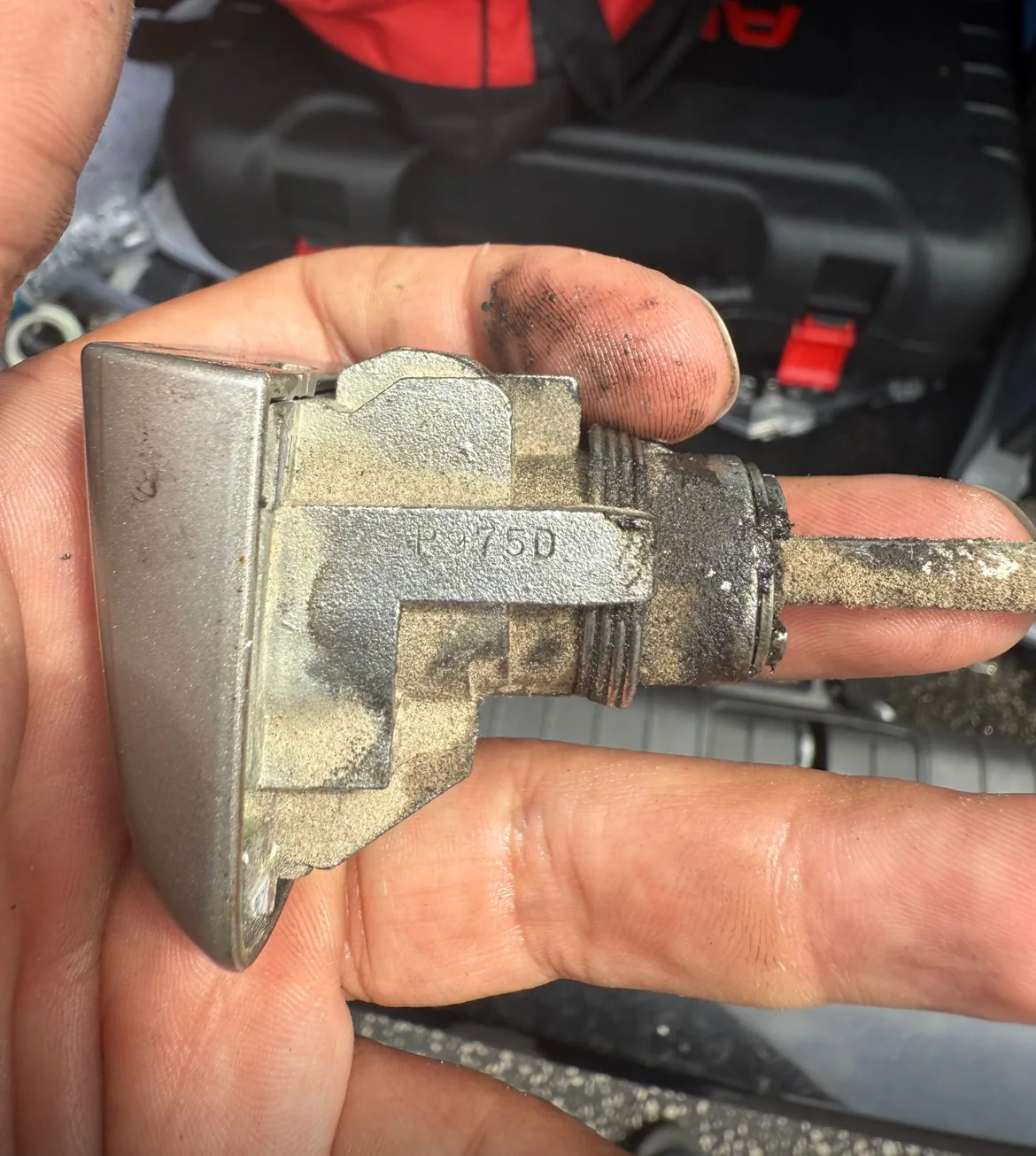
You may not need to replace every lock. Rekeying changes the inside parts of a lock so old keys stop working, while the existing lock hardware can often remain. This Old House notes that lost or stolen keys and moving into a new home are common reasons to rekey.
Take action when a key is lost with identifying information, a former household member keeps a copy, or you move into a home and don’t know who has old keys. For a key that is temporarily misplaced inside your own home, the right next step depends on whether anyone outside the household could connect it to your address.
Use this simple stopping point
Your key plan is likely complete when every copy has a named holder or a secure indoor purpose. You have a backup person for lockouts. Temporary helpers know when to return their key. You also know what you will do if a key goes missing.
More copies do not fix a missing plan. A small, tracked set of keys is easier to manage than a growing pile of unaccounted-for copies.
Questions families ask about spare keys
Should my child carry a house key?
Consider your child’s age, routine, and ability to keep the key secure. Start with a supervised practice run. Make sure they know who to call if they lose it or feel unsafe entering an empty home. Avoid attaching a key to anything marked with your address.
Can I leave a key with a pet sitter?
Yes, if the sitter needs entry and you trust them. Give the key shortly before the job when possible, state which doors they may use, and arrange a clear return after the final visit. Update your key list when it is returned.
What should I do with old keys after rekeying?
Old keys should no longer open the rekeyed locks. Remove them from key rings and label-free storage so they are not mixed up with current keys. If they opened other locks that were not rekeyed, check those doors before discarding them.
For help planning or making the copies your household needs, call Quality Lock & Key at (281) 871-1658 for residential locksmith service in Cypress. Share your lock brand, the doors involved, and the number of keys needed so you can set up the next step.