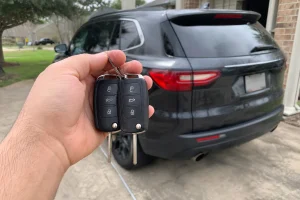

When a key snaps in an ignition, the cause is often wear, a stuck ignition cylinder, or force while turning. When a key breaks in a door lock, the cause is often misalignment, dirt, rust, or twisting the key while the door binds. The fix depends on where the key broke, how much is stuck inside, and whether the lock has damage. In many cases, a locksmith can remove the broken piece, check the lock, and stop the same mess from happening again.

Why keys break in the first place
Keys look tough. They are metal, small, and simple. Still, they take a beating every day. A car key gets jammed into an ignition, turned fast, yanked out, dropped, and tossed into pockets with coins and tools. A door key does the same daily grind.
A key usually does not snap out of nowhere. It often gives warnings first. The blade may look shiny on the edges. It may bend a little. It may feel rough when you turn it. That is your key waving a little white flag.
Metal fatigue is a big reason. A key weakens after years of use. Tiny cracks can form. Then one hard turn is all it takes.
Dirt also plays a part. Grime inside a lock makes the key drag. More drag means more force. More force means more chance of a break. It is like trying to stir cold peanut butter with a plastic spoon. At some point, something gives.
Why ignition keys snap
A broken car key in ignition trouble often starts with the ignition cylinder, not the key alone. Many drivers blame the key first. Fair enough. The poor thing is right there at the crime scene. But the cylinder may be sticky, worn, or damaged.
Here are the usual causes.
Worn key cuts
Over time, the grooves on a key wear down. The key still goes in, but it may not line up the pins or wafers well. Then you jiggle it, twist harder, and snap. That last push is often the villain.
Stiff or failing ignition cylinder
If the cylinder is old, dirty, or worn, it may resist turning. Some drivers keep trying with more force. That can break the key at the shoulder, which is the weak point near the head. Help from a Ignition repair and replacement service may be needed.
Steering wheel lock pressure
This catches a lot of people. You park, turn the wheel, and it locks under pressure. Then the ignition feels stuck. If you crank on the key without easing the wheel first, the key can bend or snap.
Heavy keychains
A giant keychain looks harmless. It is not. All that extra weight swings while you drive and pulls on the ignition over time. That wears the cylinder and puts stress on the key. Your ignition is not a weight bench.
Wrong key or copied key wear
A bad copy may fit poorly. It may go in, but not turn cleanly. Repeated use can damage both key and ignition. A proper Car key replacement can help stop repeat trouble.
Why door keys snap
A broken key in door lock trouble has its own bag of tricks. House, office, gate, and storefront locks all deal with weather, alignment, and dirt more than ignitions do.
Door misalignment
If a door sags, swells, or shifts, the latch and strike plate stop lining up well. Then you end up pushing, pulling, and turning the key at the same time. That side pressure can snap it.
Dirt, rust, and old lubricant
Door locks collect dust. Outdoor locks also deal with rain and humidity. Old lubricant can turn sticky. Rust can form. The key meets more resistance, and snap, there goes your afternoon.
Forcing a stuck deadbolt
If the deadbolt does not slide smoothly, many people twist harder. That is like trying to open a pickle jar with a cracker. The cracker loses.
Bent or weak key
A slightly bent key may still work for a while. Then it meets a tight lock and breaks under torque.
How the repair path changes by location
Where the key breaks matters a lot. An ignition and a door lock are not the same job.
| Where it broke | What usually caused it | Usual repair path |
|---|---|---|
| Ignition | Worn key, stiff cylinder, steering pressure, heavy keychain | Extract key piece, test cylinder, cut new key, repair or replace ignition parts if needed |
| Car door lock | Dirt, wear, bent key, forced turn | Extract piece, inspect lock, clean or repair cylinder, test with correct key |
| House door lock | Misalignment, rust, debris, old hardware | Extract piece, check door alignment, service or replace lock if worn |
| Deadbolt | Bolt binding, door shift, force on key | Extract piece, align door and strike, repair lock if internal parts are worn |
What to do right after the key breaks
First, stop turning. Stop poking. Stop stuffing random things into the lock. A bobby pin is not a locksmith tool, and butter is for toast, not locks.
Use these quick steps.
- If part of the key is sticking out, do not twist it. Gentle pulling with proper extraction help may work.
- If the key is flush inside, do not jam another key behind it.
- If the ignition is under steering pressure, gently move the steering wheel left and right while keeping the key area still.
- If the door is open, leave it open until the lock is checked.
- If the door is shut and locked, avoid forcing the lock with pliers.
- If the key broke after the lock felt rough for days, the lock likely needs service, not just extraction.
If this happens, do this
- If the key broke in the ignition and the steering wheel is locked, then ease wheel pressure first and stop applying force to the key.
- If the key broke in a house door and the door rubs the frame, then the alignment may be part of the problem.
- If part of the key is visible, then extraction may be simple, but twisting it can push it farther in.
- If the lock feels gritty, then dirt or rust may be inside, and the lock should be cleaned and checked.
- If the key was a copy of a copy, then a fresh key made to the proper code may solve repeat trouble.
- If the same lock has been sticky for weeks, then extraction alone may not fix the root issue.
- If the key bent before it snapped, then stop using any similar worn copies.
Weather in Cypress, TX can make this worse
Locks do not enjoy weather mood swings. Cypress heat can dry out old lubricant and make grime bake inside a cylinder. Humidity can add rust in outdoor locks and gate locks. Rain can carry dirt into exposed keyways. Cold snaps, even short ones, can make a sticky lock act even stiffer.
What we usually see in Cypress, TX is a mix of sticky car ignitions after long hot spells, plus house and gate locks that get rough after wet weather. Around neighborhoods near Fry Road or homes with outdoor front doors that face the weather, door lock trouble pops up more often than people expect.
If your lock lives outdoors, weather care matters. A small bit of care can stop a big headache. For general weather patterns, see Cypress, Texas and seasonal information from weather.gov.
Signs the lock is the real problem
A snapped key gets the blame fast. Yet the lock often started the fight.
Watch for these clues.
The key sticks before turning
That points to dirt, wear, or a poor key copy.
You must jiggle it every time
That often means worn cuts on the key, worn lock parts, or alignment trouble.
The deadbolt only turns when you pull the door
That is classic door alignment trouble.
The ignition only turns in one gear position or wheel position
That may point to ignition or interlock trouble, not only the key.
A fresh key still feels rough
Then the cylinder likely needs service.
A short story most drivers know too well
Picture this. You are late, coffee in hand, trying to start the truck. The key feels a little stiff. You give it a little extra muscle. Snap. Now you are holding half a key and saying words your kids should not learn.
That little moment usually started days or weeks earlier. The lock was talking. It was sticking, dragging, and asking for help. The trick is to listen before the snap.
Quick facts people get wrong
Myth, if the key broke, the key was the only problem.
Fact, many breaks start with a worn or dirty lock.
Myth, a little extra force will free a stuck ignition.
Fact, extra force is what snaps many keys.
Myth, any spray in the garage will fix a sticky lock.
Fact, the wrong product can attract grime or gum up the cylinder.
Myth, if the broken piece comes out, the job is done.
Fact, the cause still needs to be checked or the break may happen again.
How a locksmith fixes each problem
A key extraction locksmith does more than fish out metal. The goal is to remove the piece with little or no added damage, then test the full lock system.
For ignition key breaks
The locksmith removes the broken piece with proper tools. Then they test cylinder movement, steering lock behavior, and the fit of the key. If the cylinder is worn, they may repair or replace the bad part. If the key is worn, they can cut a proper replacement. Help from a Car locksmith may be the right path.
For door key breaks
The locksmith extracts the piece, checks for dirt, rust, and internal wear, then tests how the lock turns with the correct key. If the door is misaligned, that should be corrected too. A perfect key cannot beat a crooked door forever. Depending on the property, a Residential locksmith or Commercial locksmith may be needed.
Can you remove a broken key yourself
Sometimes yes, but only when the piece is visible and the lock is not under pressure. Even then, care matters.
Safe note, never stick glue into a lock. It can turn a simple extraction into a bigger repair. Also, avoid hard metal tools that scrape the inside of the keyway. Damage there can make the lock fail later.
If the key is stuck in a car ignition, DIY moves can be risky. Ignition parts are tighter and easier to damage than many door locks.
A simple care plan that helps keys last longer
You do not need a giant checklist. Just a few habits.
Weekly
- Look at your main keys for bends, cracks, or shiny worn spots.
- Notice if any lock feels rough, sticky, or needs jiggling.
Monthly
- Wipe dirt off frequently used keys.
- Test outdoor locks and deadbolts before they become a problem.
- Check if a door rubs, sags, or needs a push to lock.
Yearly
- Have sticky locks checked and serviced.
- Replace badly worn copies with a fresh key.
- Review heavy keychains on vehicles and trim them down.
Small steps beat big lock drama.
What we usually see around homes and vehicles in Cypress
In Cypress, many newer homes have heavy front doors and deadbolts that work fine until the house settles a bit. Then the latch and bolt stop lining up cleanly. At that point, people start pulling the handle and cranking the key. That is when door keys cry uncle.
With vehicles, we often see daily drivers with loaded keychains and older ignitions. Add summer heat in parking lots near places off Highway 290, and the ignition starts feeling stiff. A worn key meets a worn cylinder, and the break happens fast.
When to call for help
Call for help when the key is flush inside the lock, the ignition will not move, the lock has been sticky for a while, or the door is shut and locked. Also call if the broken key was your only working key. Fast, clean extraction can save the lock from added damage.
A trained locksmith can also tell whether you need only extraction, a new key, lock service, cylinder repair, or alignment work. That saves guesswork and repeat trouble. You can Contact Us or call (281) 871-1658 for help from Quality Lock & Key. Visit https://qualitylockandkey.us for more information.
FAQs
Why did my key snap in the ignition but not in the door?
Ignitions often fail from cylinder wear, steering lock pressure, and heavy keychains. Door locks more often fail from dirt, rust, or alignment trouble.
Can a broken key in a door lock damage the lock?
Yes. The break itself may not ruin it, but forcing tools into the lock or twisting the stuck piece can do damage.
Is a worn copy more likely to break?
Yes. A poor copy may fit badly, drag inside the lock, and need more force to turn.
Can hot weather in Cypress affect locks?
Yes. Heat can dry old lubricant and make grime build up. Humidity and rain can also add rust and sticking in outdoor locks.
Should I use pliers to pull the key out?
Only if a good part of the key is exposed and you can pull straight out without twisting. If not, pliers can push the piece deeper or bend it.
Why does my deadbolt only turn when I pull the door?
That usually means the door and strike are not lining up. The bolt binds, and the key takes the stress.
Is it safe to drive after a key breaks in the ignition and gets removed?
Only if the ignition works smoothly after inspection and the replacement key fits right. If the cylinder still sticks, it should be repaired first.
How can I stop this from happening again?
Replace worn keys, keep keychains light, service sticky locks, and fix door alignment early.
If you have a broken key in an ignition or door lock in Cypress, TX, Quality Lock & Key can help with key extraction, lock checks, and the right repair path so the problem does not come right back. Call (281) 871-1658 or visit https://qualitylockandkey.us to get help from a local locksmith who can save you time, protect your lock, and get things working again.